






Here’s what you need to know before signing on the dotted line….
Building or renovating your home is a huge investment. After years in the field as both an interior designer and project manager—plus working on my own home renovations—I’ve learned (sometimes the hard way) that not all contractors are created equal.
I’ve had the pleasure of working with some truly skilled and professional contractors. I’ve also been burned, even when I thought I knew better. I’ve worked with teams that over-delivered, and I’ve also stood in unfinished rooms, fighting back tears while holding invoices that made no sense.
So, to help you make a confident and informed decision when choosing a contractor, I’ve compiled the 10 most essential questions to ask before signing a contract.
These aren’t the only questions you should ask—but they’re the right questions to help align your needs with the right general contractor.
Think of this as your pre-reno armor. Whether you’re tackling a full gut-job or simply remodeling your kitchen, these questions will help you weed out red flags before the demo starts.
No 1: Are they licensed & insured?
Most people never think to ask this question—but it’s one of the most essential to clarify upfront. Many potential contractors are not actually licensed or insured. While hiring an unlicensed contractor without insurance may save you money on paper, it comes with a serious risk that you bear as the client. If something goes wrong, the liability often lands squarely on you.
Let me put it this way…. would you drive your car without getting insurance? Of course not. If you’re in an accident, you’re 100% responsible for damages to yourself and others. And car insurance is a small investment!!
Construction works the same way. Why risk your hard-earned money you save to create your dream home improvement project with an unlicensed and uninsured contractor? Someone who can’t back up their work legally?
That is the equivalent of driving around without insurance.
Before things go too far, always ask for:
- Proof of insurance (not just a verbal “yes”)
- A valid business license
Even if a reputable contractor comes recommended by a family member or neighbour (hi ? been there, still got burned), failing to verify their paperwork puts you at legal and financial risk. That risk increases tenfold on larger projects. Don’t skip this step.
You can check the Better Business Bureau for additional peace of mind—but remember, a good online rating doesn’t guarantee they carry the necessary licenses and insurance to operate in your city and cover their ass as well as your own if something goes wrong.
Must-Have Contractor Insurance
- General Liability Insurance
- Covers bodily injury, property damage, and accidents that could occur on your property during the remodel.
- Typical coverage: $2M aggregate / $1M per occurrence for medium-to-large projects.
- This is your non-negotiable baseline.
- Workers’ Compensation Insurance
- Protects you if a worker is injured on your property (so you’re not personally liable for their medical bills or lost wages).
- Required in most provinces/states if they have employees (not just subcontractors).
- Commercial Auto Insurance (if they use company vehicles)
- Covers accidents involving vehicles used for transporting materials, tools, or crew.
Good-to-Have (and Sometimes Essential)
- Builders Risk / Course of Construction Insurance
- Covers the actual project—materials, fixtures, and work in progress—against theft, fire, vandalism, or certain natural disasters.
- Sometimes you, as the homeowner, provide this through your own insurer, but larger contractors may carry it.
- Errors & Omissions (Professional Liability)
- Helpful if your contractor is also doing design or structural planning—covers mistakes in drawings, specs, or advice.
- Umbrella / Excess Liability Policy
- Adds an extra layer of coverage above their general liability limits. Smart for bigger renos where risks are higher.
What You Should Ask For
- Proof of Certificate of Insurance (not just a verbal “yep, I’m covered”).
- Named as Additional Insured on their General Liability policy (you’ll get a certificate).
- Coverage Verification for subcontractors—don’t assume the GC’s policy automatically covers them.
- Check Limits—ask for at least $1–2M liability depending on project size.
No 2: Have you worked on projects of similar size, scope, and budget before?
Not all contractors are cut from the same cloth. Some thrive in kitchen facelifts. Others are built for new builds from the ground up.
It’s important to understand the qualifications of your contractor and his team. The more robust the project, the more robust the contractor you should be engaging. Does this mean you will have to pay more? Yes. But if you owned a Ferrari, would you take it to a mechanic who works on lawnmowers? (Exactly.)
Different levels of skilled labourers work on different project types. Make sure you match the complexity of your project to the size and skillset of your contractor and his team.
Follow up this question by asking for examples of past, similar projects—photos, case studies, or walkthroughs of previous work. Bonus points if those projects are recent and local. This will give you peace of mind that they understand how to execute on project needs similar to yours.
What you’re watching for:
- Years of experience in projects of similar complexity
- Evidence of budget control and scope alignment
- Signs that they know how to execute at your scale
Here, you are not only looking for years of experience in the field, but also spotting red flags. If their examples feel too general or vague (“we’ve done all kinds of renos!”), press for specifics. Anyone can claim experience—it’s your job to get proof.
This is how you ensure you get a quality contractor for your home renovation project.
No 3: What contract type will we be using, and how will project costs be estimated, tracked, and billed?
This might feel obvious, but it’s often overlooked: a quote is not a contract. And a handshake isn’t legally binding.
A contract is more than paperwork—it’s protection. And not just for them. For you.
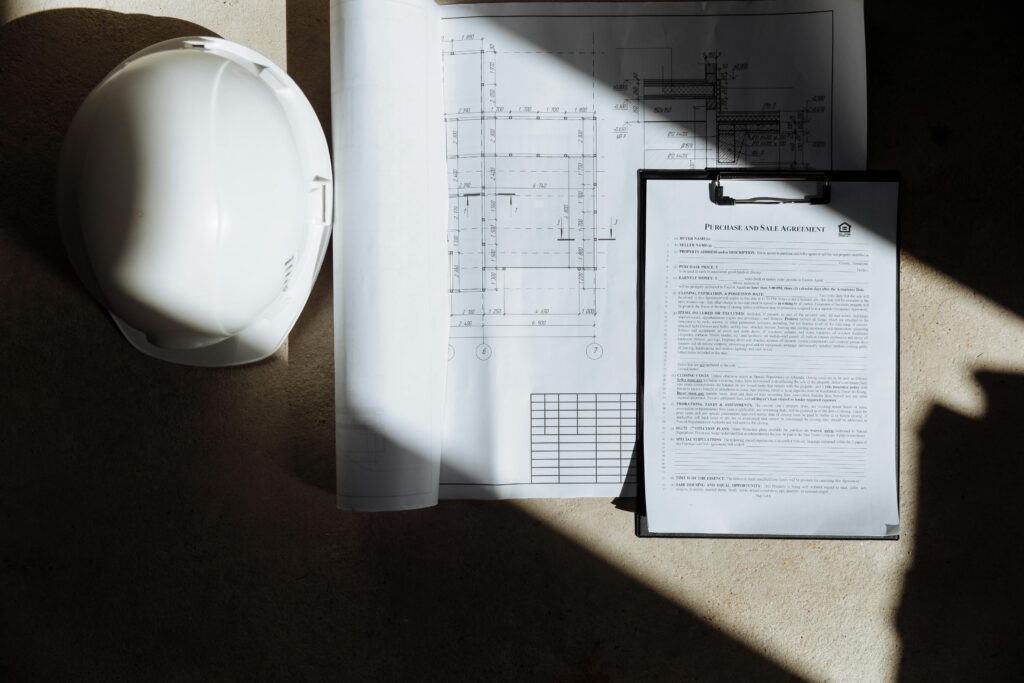
You need a written contract that clearly defines the scope of work, timelines, and payment terms.
The type of contract used is going to vary project to project, based on the needs of the project. Too often, contractors push for a “time and materials” agreement—which makes it harder to predict final costs and stick to a budget. That type of contract can work for small, flexible jobs. But for larger home renovation projects with a defined scope of work, there’s no reason you can’t have a clear, upfront number.
Before signing, discuss these contracting types before moving forward:
- stipulated price, fixed price, or lump sum
- time and materials
- cost plus
- stipulated price + incentive
- guaranteed maximum price
For a complete breakdown of these 5 types, and the pros and cons of each, check out this blog post here.
For projects in Canada, I always recommend the standard CCDC contracts: ccdc.org/documents.
If you’re using a custom contract (yours or your contractor’s), have it reviewed by a construction lawyer. Make sure it contains:
- Clear language around responsibility
- Payment structure and schedule
- Provisions for change orders and additional work
Most importantly, it should protect both parties equally. A fair contract creates smoother projects—and fewer surprises.
Bottom line: If your contractor can’t walk you through which type of contract they use and why, that’s a red flag. And if they offer to start “without anything formal”—run.
No 4: What is their role on the project and who will be the main point of contact?
Every contractor operates differently. Asking your contractor what their role will be on the project clarifies any misconceptions and provides greater insight into how daily management will be handled.
Are they boots on the ground, swinging a hammer, or higher-level management with a focus on hitting critical timelines, meeting budget requirements, and overseeing the project as a whole? Both are valid—but you need to know what to expect.
Equally important: ask who your designated point of contact is once the project begins. If it’s not the contractor you met initially, request a meeting with that person before signing the written contract.
You’ll be spending months in communication with this person. It matters that you get along, understand each other’s expectations, and can raise concerns comfortably.
So ask:
- Who will you be communicating with day-to-day?
- Who calls the shots when decisions need to be made quickly?
- Will I meet that person before we start?
You’ll be in frequent contact with this human—likely weekly (if not daily). It matters that you trust them, speak the same language (literally and logistically), and feel like they actually see you.
Construction is rarely a quick process. It’s crucial that you get along and communicate with the main point of contact and that you have good relationships from the start. It can be the difference between feeling supported vs. stressed.
?? Personal note: I’ve been in situations where the “main contact” changed mid-project, and it threw everything off. Avoid that chaos by locking this in before signing anything.
No 5: Who will be the site supervisor, and what % of time will they be allocated to your project?
Here’s what you may not realize: daily oversight is not guaranteed.
Depending on the size of your renovation, your site may or may not have a full-time supervisor. This matters more than you might think.
If your site supervisor is splitting their time between multiple projects, your project could get less attention–and that can delay timelines quickly.
Ask your contractor:
- How often will they be on-site?
- What’s their role in keeping your construction project on schedule?
- Who’s overseeing the sub-trades when they’re not there?
Also important: who’s managing the trades if they’re not onsite? Because if there’s no site super around… guess who the subs start asking questions to? You. This is especially true in home renovations, especially smaller ones.
??♀️ Been there. I’ve had painters show up at 7 am, ready to go, then ask where the tiler was, simply because no one else was present to manage the flow.
To prevent that:
- Clarify expectations around presence and oversight
- Decide how trades will be managed when no one from the contractor’s team is on site
- Be honest about what level of involvement you are willing (or not willing) to have
If they say “we check in every few days,” that’s not necessarily a red flag—but it does mean you need a coverage plan. And if you don’t want the stress of filling in those gaps yourself, it may be worth negotiating for more presence (even if it creates additional charges).
It is better to be upfront from the start than to be left holding the project execution in your hands because you didn’t ask –— or worse, assumed someone would be there to shoulder the load. ?

No 6: How will communication be handled and adhered to on the project?
Communication is more than a few emails and texts. On a home renovation project, it can make or break timelines, budgets, and your peace of mind.
Ask your contractor how they handle communication across the board:
- What’s the preferred method (email, text, phone)?
- How often will updates be provided?
- Will there be scheduled site meetings?
- Who takes meeting minutes and distributes them?
- How are documents stored and shared?
- Will there be hard copies kept on-site?
You’re not being high-maintenance. You’re being clear.
At the end of the day, it’s about outlining your expectations and understanding what the contractor is comfortable and capable of committing to, as well as their standard form of practice.
Established construction teams often have this nailed down. Newer or smaller contractors might not—which means it’s your job to clearly outline your expectations.
If it feels like overkill to ask about meeting notes, trust me: it’s not.
That five-minute chat in the driveway about your backsplash layout? If it isn’t written down, it’s just hearsay. And if things go sideways, you don’t want to be left trying to recall who said what, when. When disputes happen, a paper trail is your best friend.
Pro tip: Create a shared Google Doc or Sheet with running updates, decisions, and outstanding questions. Share it with your contractor and update it regularly. That doc becomes your project record and your paper trail.
You might think, “It’s just a kitchen reno. Do I really need all this?” Yes. Because that kitchen reno still involves thousands of dollars, multiple trades, and critical decisions. Documentation = protection.
No 7: What is their typical timeline and budget for a project of a similar size?
If what you’re being told sounds a little too perfect—trust your gut. It probably is.
Before you ask this question, do your homework. Talk to friends or family who’ve recently completed a similar home renovation project. Ask:
- How long did it take?
- What was the final cost?
Then use that info as a benchmark when interviewing prospective contractors.
Ask your contractor what their typical budget range and timeline look like for a project of similar size and scope of work. Then listen closely. Are they dodging specifics? Giving you overly optimistic guesses? That’s a red flag.
A good contractor with real-world experience will have a good idea of your project needs, and be able to give you a rough estimate for both timeline and budget—even before diving deep into drawings.
And yes, of course, things shift once they meet with subs and review your plans. That’s normal. But if the numbers they give you are way off from your research and what others have quoted, something’s off.
Red flags:
- Timeline that sounds too fast for the scope
- Budget that feels undercut compared to your other quotes
- Vague or overly optimistic promises
Use this question to get specific—and to catch anything that feels misaligned before you’re knee-deep in drywall.
No 8: How will project change orders and extras be managed and tracked?
Even with the most detailed drawings and best-laid plans, changes happen. There will always be unexpected problems and site conditions that cause changes to the original plan. That’s normal. But you need a crystal-clear process for handling change orders and extras.
This goes hand-in-hand with the quality of your drawings and documents provided for pricing, the pricing type you chose, and the contract you signed.
CCDC documents clearly outline how changes will be managed and handled. If you choose to use your own contract or one from the contractor, the change order process needs to be clearly documented and understood.
Here’s what to clarify with your contractor:
- Sign-off requirements: Who signs, how, and when.
- Cost and timeline impact: Each change must note both the additional cost and any impact on duration.
- Markup percentage: Contractors typically add a markup to materials and labor. Ask what that percentage is (because no, they don’t charge you what they pay).
- Integration into contract: Any approved changes must be added to the original written contract and budget agreement once signed.
- Payment timing: Change orders should be invoiced like any other line item—based on progress, not paid upfront.
You’ll also want a clear tracking file that:
- Documents all change/addition requests
- Flags which ones are in review
- Shows which were approved or rejected
- Gets updated and submitted with each change order
This running log keeps everyone on the same page—and helps prevent surprises, budget blowups, or scope creep halfway through your construction project.

No 9: Referrals from clients, vendors, and subcontractors
Getting referrals from previous clients is non-negotiable when you’re narrowing down your contractor list. It’s your best window into what the renovation experience was actually like for others—and it gives you a fuller picture than just shiny portfolios or curated testimonials. It should be part of your interview process and is a must before you move forward and make a final decision.
Ask for a list of references, a minimum of 3 past clients. Then actually call them.
Here are the top questions to ask:
- What kind of project did they complete for you?
- What was their role—were they the GC, the project manager, or both?
- What was their communication style like throughout the project?
- How did the overall home renovation project turn out?
- Any lingering issues or problems with the quality of work?
- How easy was it to get them back to resolve deficiencies?
- Was the project completed on time and on budget?
- How did they handle the end of the job and closeout?
You’re not just listening for the answers—you’re listening between the lines. Pay attention to hesitation, tone, or anything that sounds overly polished or vague.
Also important: people are people. Sometimes personalities clash. One rocky relationship doesn’t mean the contractor is bad at what they do, nor is it a fair representation of their track record. That’s why you ask all three references to identify patterns vs. one-off flukes. Personality clashes aren’t necessarily a good reason not to hire someone, but they should be kept in mind.
Take it a step further:
- Ask for referrals from subcontractors or vendors they work with regularly. Do trades want to work with this person again?
- Cross-check their online reviews with what you heard on the phone. Are they aligned, or wildly different?
And just a reminder: websites and testimonials are cherry-picked. If you skip this step and don’t speak to actual humans, you’re only getting the contractor’s version of the story.
No 10: Payment schedule/ payment terms
Let’s be real—talking about money makes people squirm. But it’s one of the most important conversations you need to have before signing a contract. You should never be surprised by how or when you’re expected to pay.
I’m going to keep preaching this— Your pricing type and contract type (which you confirmed in Question 3) will directly dictate the payment schedule and terms. It all needs to be clearly written in the contract so everyone is aligned.
Depending on your project size and duration, payment is typically structured in one of two ways:
- Progress draws at specific project milestones (more common on smaller jobs)
- Monthly invoicing over the course of the project (typical for long-term builds)
Here are the high-level payment terms to confirm:
- Invoices must include a schedule of values: This outlines what work is being billed against the total contract value.
- Certificate of payment: Each invoice should include a document confirming that subcontractors have been paid. This is signed and dated monthly.
- Holdbacks: Each invoice should withhold 5–10% (per your contract). This protects you in case of deficiencies or warranty issues.
- Final payment: Comes at the end of the project, with a holdback still in place.
- Holdback release: The final holdback isn’t paid until after the lien period expires (typically 60 days post-construction).
?️ Pro tip: Include contract language that allows you to use the holdback to fix unresolved deficiencies after 60 days. Just make sure you provide quotes or invoices showing what needs to be done and what you’re deducting.
Lien period and how a lien waiver works:
- Anyone working on your construction project (supplier, subcontractor, etc.) can file a lien if they don’t get paid.
- Before you release the holdback, check that no liens exist against your property.
- A lien won’t impact you until you try to sell—but it must be cleared before a sale can close.
This is why it’s so important to document everything and understand how payment terms protect both you and the contractor.
Follow these 10 questions when you’re starting a home renovation or home remodeling project, and you’ll be sure to hire the right general contractor for you-— one with a good reputation, who does high-quality work, fits your budget, communicates well, and makes you feel at ease and respected.
?️ Ready to Renovate Smarter?
Before you hire, sign, or swing a hammer—make sure you’ve thought through every moving part.
Grab The Ultimate Home Renovation Planning Checklist
It’s the exact checklist I use with clients to prep their project from concept to contract—with zero “wish I’d known that sooner” moments.
✅ Covers budgeting, timelines, questions to ask, contractor red flags & more
✅ Designed for homeowners planning renos big or small
✅ Instantly downloadable, no strings attached


Read the Comments +