


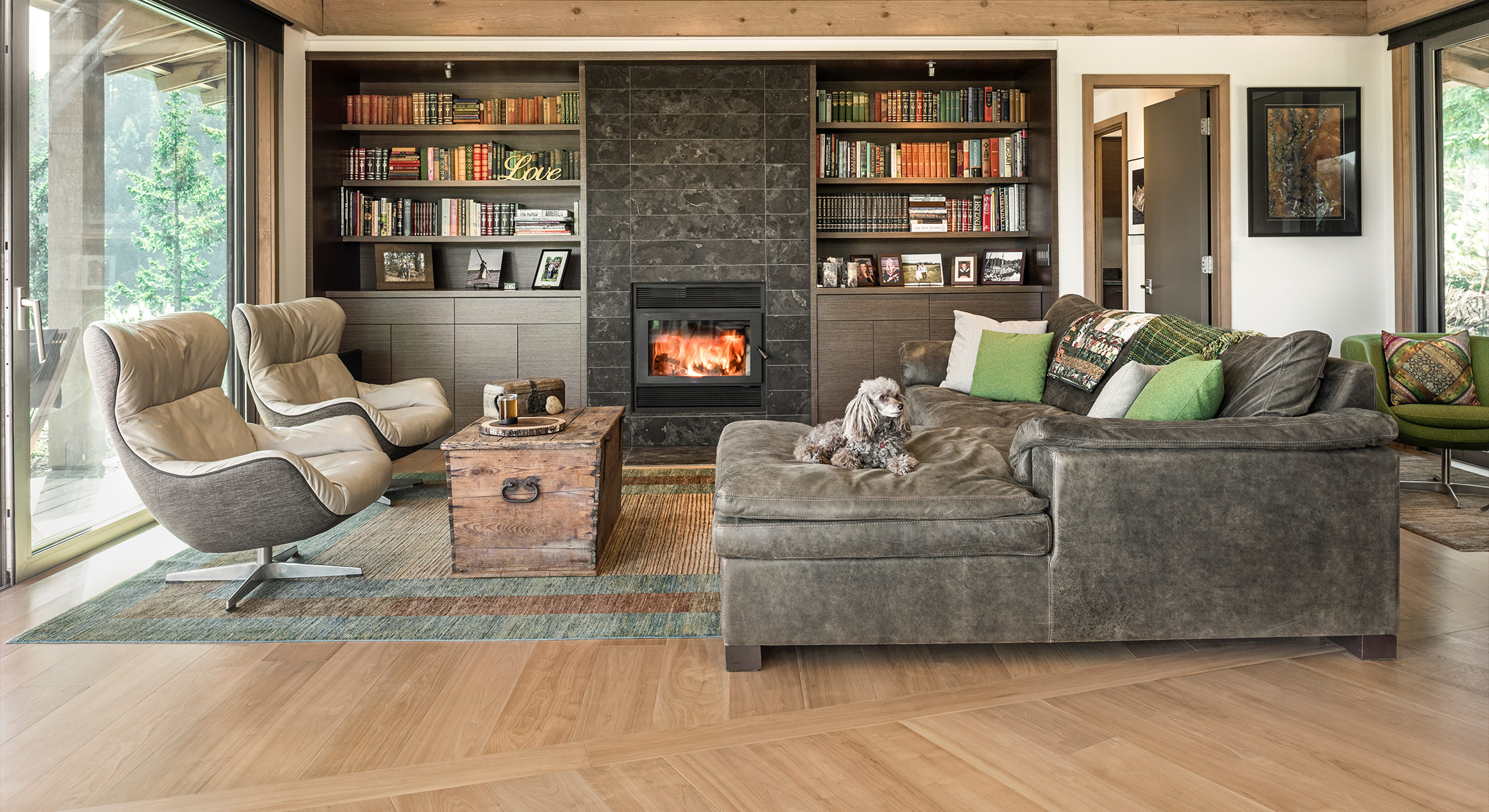



Ah, the million-dollar question: What is the best flooring for your home?
If you’re planning a renovation or building a new home, choosing the right flooring for your home is one of the biggest decisions you’ll make. Flooring covers a large visual surface area, impacts the overall feel of your home, and needs to stand up to everyday life.
Hardwood floors, engineered hardwood, luxury vinyl plank, laminate floors, and even tile flooring all have their place. The challenge is understanding which option is the best choice for your lifestyle, budget, and space.
In this guide, we’re breaking down the most common flooring options, including the pros and cons of each type, maintenance requirements, trusted brands, and the key factors to consider before making a final decision.
With insights from Okanagan Hardwood Flooring in Kelowna and a live Q&A session, you’ll walk away feeling confident about selecting the right flooring for your home.
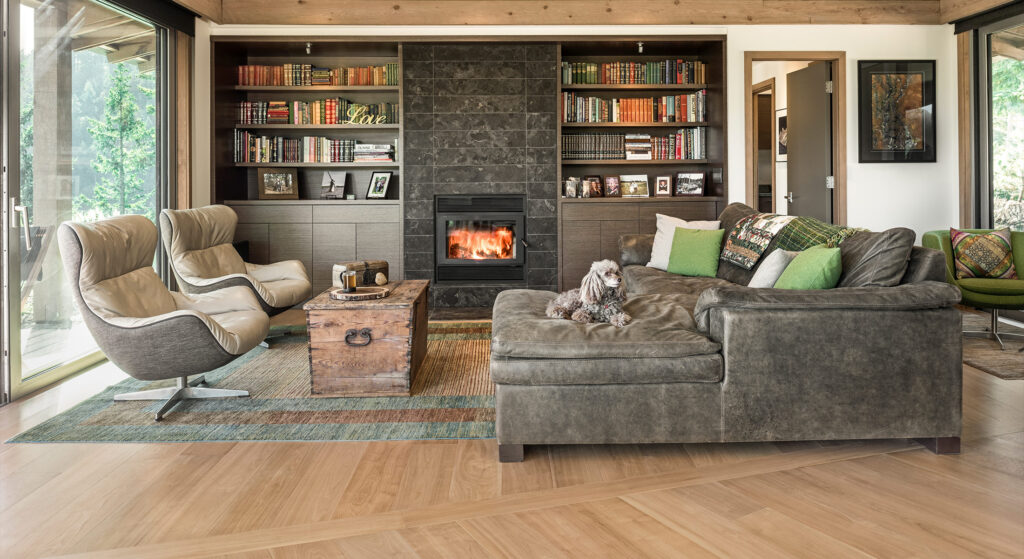
Laminate Floors vs. Luxury Vinyl Flooring: What’s the Difference?
Both laminate floors and luxury vinyl flooring are made from synthetic materials, but they differ significantly in construction, performance, and water resistance.
Laminate flooring features a composite core with a printed surface layer, while luxury vinyl plank is built from multiple vinyl-based layers designed for durability and moisture protection.
Both products are a good choice for active households and high-traffic areas because they handle foot traffic, pets, children, and everyday wear exceptionally well.
In recent years, luxury vinyl floors and laminate floors have become some of the most popular flooring options for homeowners looking for a cost-effective option that still delivers durability and modern finishes.
For families seeking low maintenance and easy maintenance, both products offer practical solutions without the higher investment associated with solid hardwood flooring.
The 3 Biggest Differences Between Laminate and Vinyl
| Feature | Laminate Flooring | Luxury Vinyl Flooring |
| Strength | Harder impact-resistant surface layer | Softer surface and more prone to impressions |
| Water Resistance | Not waterproof | Excellent water resistance |
| Installation | Click-together only | Click-together or glue-down |
Water Resistance
Laminate is not waterproof and is not suitable for areas where puddles of water are common, including:
- Full bathrooms
- Mudrooms
- Laundry rooms
- Service rooms
Luxury vinyl plank is an excellent water-resistant flooring option and can be installed throughout the home, including wet areas.
While many homeowners search for waterproof hardwood, it’s important to understand that genuine wood products are never truly waterproof in the same way luxury vinyl flooring is.
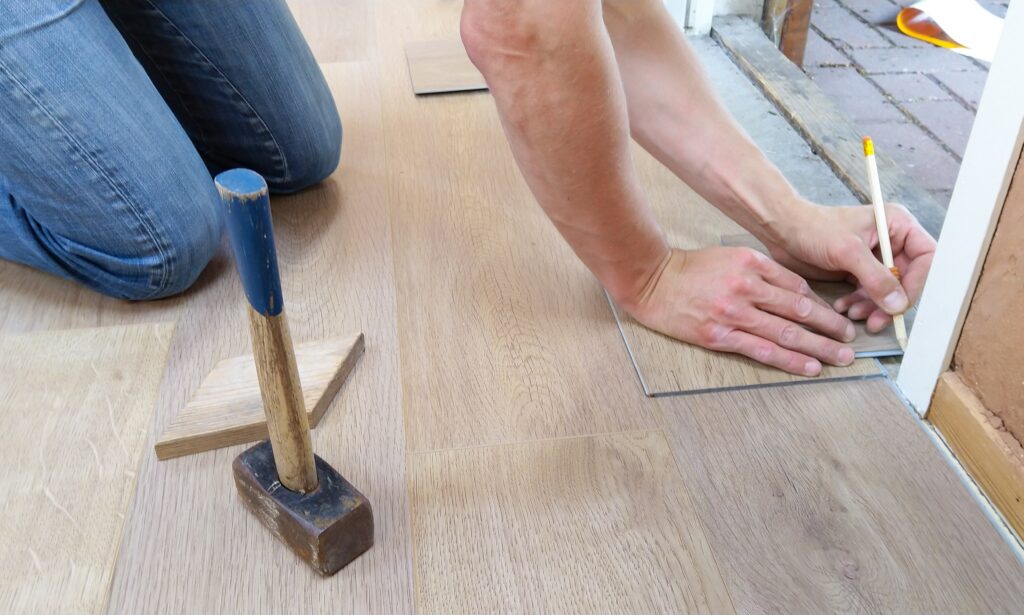
Installation Methods
Laminate is available only as a click-together tongue-and-groove product. While Vinyl flooring is available both as a click-together option as well as a glue down product.
Click-together products can be installed over:
- Plywood subfloors
- Concrete
- Acoustic underlay systems
With vinyl products, the condition of the subfloor is critical. Because vinyl is softer, imperfections in concrete flooring or rough plywood can eventually telegraph through the finished surface leaving visual as well as tactile marks from the surface below.
These imperfections once set into the material cannot be removed, and the section would require replacement.
Whether you’re installing over plywood or concrete flooring, proper preparation is essential for long-term performance.
Who Is This Flooring Best For?
| Laminate Floors | Luxury Vinyl Flooring |
| Best for homeowners who: | Best for homeowners who: |
| ✓ Want a durable and budget-friendly floor | ✓ Need maximum water resistance |
| ✓ Need a product for active family spaces | ✓ Have kids and pets |
| ✓ Want a harder surface layer | ✓ Want easy maintenance |
| ✓ Are installing outside wet zones | ✓ Need flooring for bathrooms, mudrooms, or laundry rooms |
Pros and Cons of Laminate and Luxury Vinyl Flooring
| Pros | Cons |
| ✓ More carefree lifestyle | ✕ Subfloor conditions matter |
| ✓ Usually less expensive than hardwood | ✕ Large variation in quality levels |
| ✓ Suitable for active families | ✕ Can sound noisier under foot traffic |
| ✓ Wide range of colour and design options | ✕ Vinyl is more susceptible to impressions |
| ✓ Wider and longer plank formats available | |
| ✓ Excellent for high-traffic areas | |
| ✓ Properly maintained products can look similar to the day they were installed |
Hardwood Floors vs. Engineered Hardwood: Which Is Right for Your Home?
Hardwood floors remain one of the most sought-after flooring choices because of their natural beauty, warmth, and long-term value.
A common misconception is that engineered hardwood somehow performs differently than traditional hardwood.
The reality? Both are wood products and act like wood products. The primary difference is how they are constructed.
Whether you choose solid hardwood flooring or engineered hardwood, both provide the authentic wood surface many homeowners consider the gold standard.
What Is Solid Hardwood Flooring?
Solid hardwood flooring is manufactured from a single piece of wood. They are available in the different types of wood species, with the type of wood species playing a large part in relative hardness and softness of the floor’s characteristics and how it will perform.
Key characteristics include:
- The thickness of these products are typically ¾” and they are solid wood all the way through
- Board length and width is dependent on the wood species
- Because it is a solid piece of wood, hardwoods have a thicker wear layer (3/4” product) that can be sanded down and refinished numerous times to bring the floor new life.
- Can only be installed on or above grade (2nd level of the house) and should not be installed in basements and on concrete subfloors.
- Hardwoods are actually less expensive than engineered products as the engineered version has a larger manufacturing process and greater internal core components
- Wood products being a natural, fibrous material, are more susceptible to variances in moisture levels
What Is Engineered Hardwood?
Engineered hardwood uses a composite core made up of timber and board mixed together with a 4mm top layer of the wood species. Overall, the product is the same thickness, but the top layer is much thinner than hardwoods. Engineered hardwoods perform similarly to solid hardwood floors, being that the relative hardness and softness of the wood species dictates the performance and suitability of the finished flooring.
Key characteristics include:
- Engineered hardwoods can go on any level of the house, including basements and concrete subfloors and can be applied as a floating floor over an underlay pad.
- Can also be glued to plywood or concrete subfloors, or nailed into place on plywood subfloors.
- Has a thinner wear layer on top which allows for greater versatility—can go wider and allows for longer board lengths.
- The composite construction helps the flooring remain stable across a wider range of moisture conditions.
- While marketed as being able to be refinished, once the refinishing process is complete, the wear layer has been mostly removed and the board is now unstable, so refinishing is not recommended.
While engineered hardwood handles humidity better, neither engineered nor solid hardwood flooring should be considered waterproof hardwood.
Hardwood vs. Engineered Hardwood: Quick Comparison
| Feature | Solid Hardwood | Engineered Hardwood |
| Installation Levels | Above grade only | All levels including basements |
| Concrete Installation | No | Yes |
| Refinish Potential | Multiple times | Limited |
| Board Widths | More limited | Wider options available |
| Humidity Tolerance | Lower | Higher |
| Lifespan | Extremely long | Long but more limited |
Who Is This Flooring Best For?
| Hardwood Floors | Engineered Hardwood |
| ✓ Long-term homeowners | ✓ Basement renovations |
| ✓ Those prioritizing resale value | ✓ Homes built on concrete slabs |
| ✓ Homeowners seeking natural beauty | ✓ Wider plank designs |
| ✓ Homes without significant moisture concerns | ✓ Homes/ regions with greater humidity fluctuations |
Pros of Hardwood or Engineered Wood Flooring
| Pros | Cons |
| ✓ Higher resale value | ✕ Susceptible to moisture changes |
| ✓ Natural beauty and warmth | ✕ Not suitable for wet zones |
| ✓ Countless design options | ✕ Wood species affects durability |
| ✓ Comfortable under bare feet | ✕ More limited grain and colour variation as natural product |
| ✓ Prestige factor | ✕ Typically more expensive than laminate or vinyl |
| ✓ Hardwood floors can be refinished and restored multiple times |
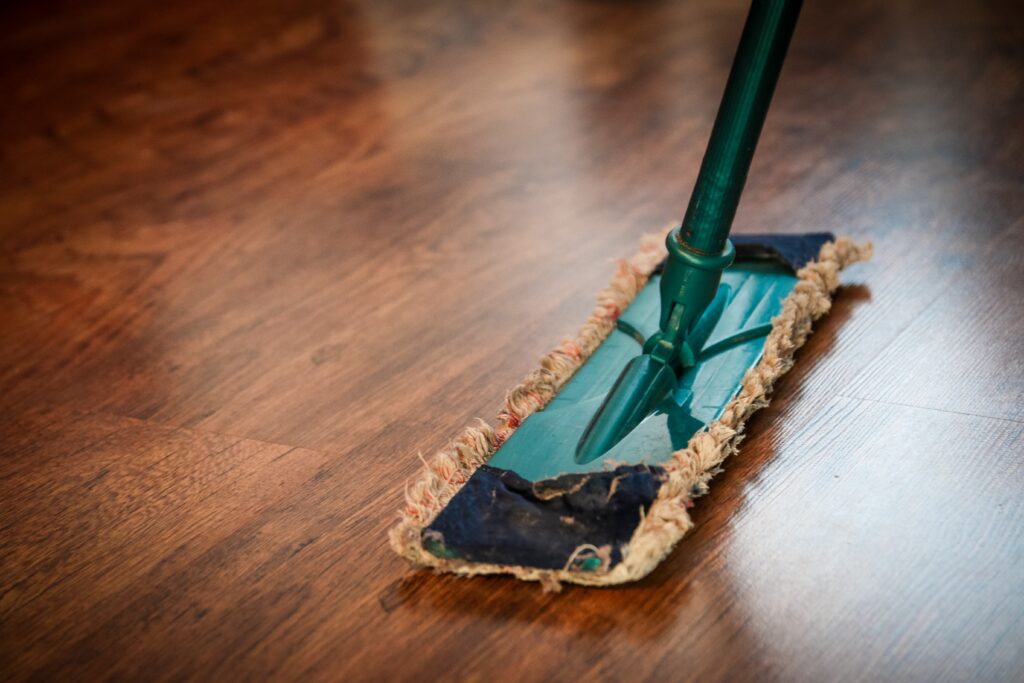
Flooring Maintenance and Cleaning Tips
One of the biggest factors affecting the lifespan of any flooring product is maintenance.
Even the highest-quality flooring can show premature wear if dirt, grit, and debris are allowed to build up over time. Small particles act like sandpaper under foot traffic and can gradually wear away protective finishes.
Fortunately, keeping floors looking their best does not require complicated maintenance routines.
Regular sweeping or vacuuming, prompt cleanup of spills, and periodic mopping using manufacturer-approved products will go a long way toward protecting your investment.
For homes with pets, additional attention should be paid to keeping nails trimmed and cleaning frequently used traffic paths. In households with children, entry mats at exterior doors can help reduce dirt, gravel, and moisture being tracked into the home.
Proper maintenance not only helps preserve the appearance of your floors but can also help protect warranty coverage and extend the overall lifespan of the product.
To keep hardwood floors, engineered hardwood, laminate floors, and luxury vinyl plank looking their best:
- Sweep or vacuum regularly
- Clean spills promptly
- Mop according to manufacturer recommendations
- Remove debris before it scratches the surface
- Follow warranty-approved cleaning procedures
Even products with durable wear layers can experience premature wear when maintenance is neglected. For wood flooring, cleaning products specifically designed for hardwood surfaces help preserve the finish.
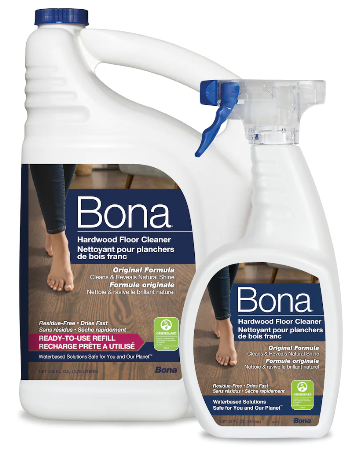
Bona products for hard surfaces are the best options. These do not leave streaks, are safe for pets and kids and are soap-based products with no harsh chemicals. Be sure to select the type suitable for your product type. Bona products can be purchased at your local Home Depot locations.
Best Trustworthy Brands
Hardwood / Engineered Hardwood
Laminate Floors and Luxury Vinyl Flooring
Which Flooring Performs Better in Real Life?
One of the biggest mistakes homeowners make when selecting flooring is focusing only on how the product looks in a showroom. While appearance is important, performance should play an equally important role in your decision.
Think about how your home functions on a daily basis. Do you have kids running through the house with wet shoes? Large dogs that race through hallways and around corners? Do you frequently entertain guests? Is the flooring being installed in a vacation property, a rental property, or a forever home?
Luxury vinyl flooring tends to perform exceptionally well in homes where moisture, pets, and everyday wear are concerns. Its water resistance and durability make it a practical choice for busy households.
Laminate floors can also be an excellent option, particularly in living rooms, bedrooms, hallways, and other dry areas of the home. The harder surface layer provides good resistance to scratches and day-to-day wear, making it appealing for active households looking for a cost-effective option.
Hardwood products offer a richness and warmth to a space that is unparalleled amongst other products available. The natural fibers of the hardwood absorb sound and the products resonate less when walked on.
Different wood species have different hardness ratings, grain patterns, and wear characteristics. Some species naturally resist dents and scratches better than others, while softer species may show wear more quickly in high-traffic areas.
Before selecting a flooring type, ask yourself:
- Do you have kids?
- Do you have pets?
- Is your home located near water?
- Do you have a pool?
- Will the floor experience heavy foot traffic?
- Are you renovating a basement?
- Is water resistance important?
- What is your budget?
The best choice for flooring isn’t necessarily the one with the highest price tag. It’s the product that best aligns with how your family actually lives.
Other Flooring Options to Consider
While this article focuses primarily on hardwood-style products, homeowners may also consider:
- Porcelain tiles
- Ceramic tile
- Tile flooring
- Sheet vinyl
- Vinyl sheets
Tile flooring offers exceptional durability and water resistance, making it a popular choice for bathrooms, mudrooms, laundry rooms, and other areas where moisture is common.
Porcelain tiles are particularly popular because they are dense, durable, and available in a wide variety of colours, patterns, and sizes. Many modern tile products are even designed to mimic the appearance of hardwood flooring while offering superior water resistance.
Sheet vinyl and vinyl sheets remain a cost-effective option for homeowners looking for practical flooring solutions in utility spaces or secondary rooms.
Each flooring type comes with its own advantages and limitations. The best choice depends on where the flooring is being installed, how the space will be used, and the level of maintenance you’re comfortable with over the long term.
That said, many homeowners continue to prefer hardwood floors, engineered hardwood, luxury vinyl plank, or laminate floors in living spaces because they feel warmer under bare feet and create a more inviting atmosphere.
So, What Is the Best Flooring for Your Home?
The truth is there isn’t one universal best flooring solution.
The best flooring depends on your lifestyle, budget, maintenance expectations, and how the space will be used.
If you want timeless beauty and long-term value, hardwood floors or solid hardwood flooring may be the right fit.
If you need flexibility over concrete flooring or in a basement, engineered hardwood is often a good choice.
If water resistance, durability, and easy maintenance are top priorities, luxury vinyl plank may be your best option.
If you’re looking for a durable, cost-effective option for a busy household, the benefits of laminate flooring are worth serious consideration.
The goal isn’t to choose what’s trendy.
The goal is to choose the flooring that will perform best for your home, your family, and the way you live every day.
Every flooring product comes with trade-offs. Understanding those trade-offs before making a decision is what helps ensure you’ll be happy with your investment years down the road.
Take the time to evaluate your lifestyle, your space, and your priorities. By doing so, you’ll be far more likely to select flooring that not only looks beautiful on installation day but continues to perform well for years to come.
Want to know more? Catch the full Q&A session that goes deeper into product specifics here:
If you have a unique design or building dilemma, my Designed & Delivered Blog has a special section — Design Files — dedicated to answering your real-life questions.
Fill out this form with your project details, and your answer will be featured on the blog.



Read the Comments +